Lower Marsh rubbish removal tips for market traders
Posted on 11/08/2026

Running a stall on Lower Marsh is busy work. You are setting up early, serving customers fast, keeping stock looking sharp, and trying to stay one step ahead of the mess that builds up by lunchtime. That is exactly why Lower Marsh rubbish removal tips for market traders matter so much: waste is not just a nuisance at the end of the day, it affects presentation, safety, time, and the way smoothly your stall resets for tomorrow.
If you have ever packed down in a hurry with the smell of cardboard, the crunch of broken packaging underfoot, and a half-full bag that seems to multiply on the walk back to storage, you will know the problem. The good news is that rubbish removal for market traders does not have to be chaotic. With a few steady habits, a clear sorting system, and the right collection plan, you can keep your pitch cleaner, lighter, and far easier to manage.
This guide breaks down practical, real-world advice for traders dealing with market waste, packaging, food leftovers, broken boxes, and the occasional awkward bulky item. It is written for people who need workable answers, not theory. And yes, there is a bit of local reality in here too, because Lower Marsh has its own pace and its own constraints.
- Why Lower Marsh rubbish removal tips for market traders matters
- How Lower Marsh rubbish removal tips for market traders works
- Key benefits and practical advantages
- Who this is for and when it makes sense
- Step-by-step guidance
- Expert tips for better results
- Common mistakes to avoid
- Tools, resources and recommendations
- Law, compliance, standards, or best practice
- Options, methods, or comparison table
- Case study or real-world example
- Practical checklist
- Conclusion
- Frequently asked questions
Why Lower Marsh rubbish removal tips for market traders Matters
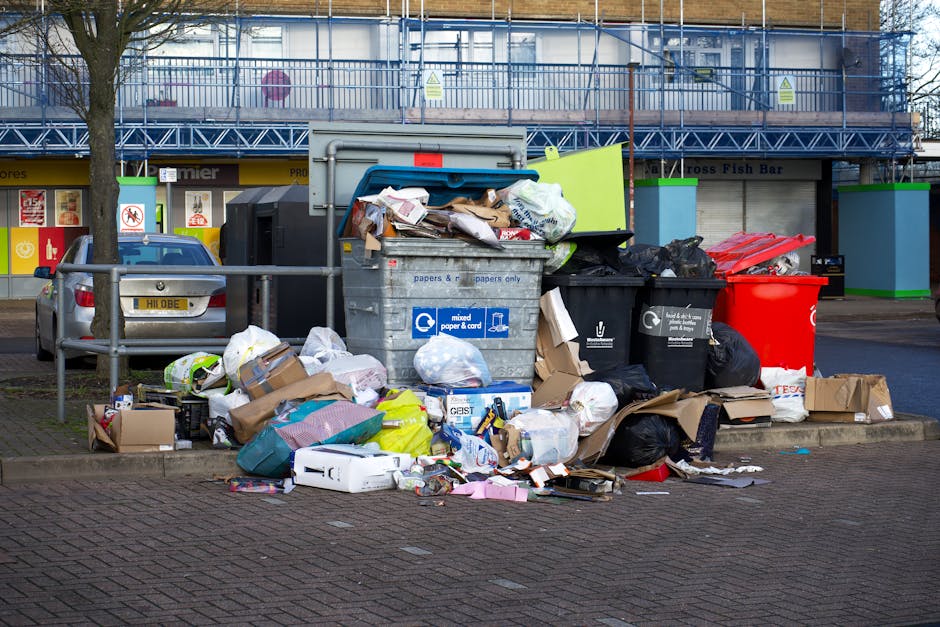
Market trading produces a very specific kind of waste. It is usually light, bulky, awkward, and produced in bursts. You start with flat-pack boxes, rolls of tape, display packaging, carrier bags, food scraps, or produce trimmings, then suddenly you are dealing with a pile that fills half your stall back area. The trouble is not just volume. It is timing. You often need waste gone quickly because the pitch has to be reset before the next trading day.
On a street like Lower Marsh, that pressure can be amplified. Footfall, narrow working spaces, shared access routes, and the need to keep the area tidy all matter. A sloppy waste setup can lead to clutter, trip risks, and avoidable complaints. To be fair, nobody wants to browse a market stall next to a mountain of broken boxes and loose wrapping. It makes the whole pitch feel less cared for.
There is also the business side. Cleaner waste handling helps you look organised, protects stock, and can save time at close-down. If you run a food stall, the stakes are even higher because rubbish can attract pests and create hygiene headaches. If you sell clothing, books, flowers, gifts, or homeware, packaging waste builds up fast and can swallow valuable space before you notice. That is why a simple routine is worth its weight in gold.
For traders who want broader context on the Waterloo area, it can also help to understand the local environment and footfall patterns. A few useful reads include a local perspective on Waterloo living and a practical guide to rubbish collection near Waterloo Station, both of which give a better feel for the wider area around your pitch.
How Lower Marsh rubbish removal tips for market traders Works
At a practical level, good market waste management has three moving parts: sort it, store it, remove it. That sounds obvious, but the difference between a tidy stall and a chaotic one is usually in the detail.
Sort it means separating waste as it is created rather than leaving everything in one bag and hoping for the best. Cardboard, soft plastic wrap, food waste, damaged stock, and general rubbish should not all end up mixed if you can help it. Mixed waste is heavier, messier, and harder to dispose of properly.
Store it means keeping waste contained during trading hours. That may be lidded bins, tied sacks, stackable crates for reusable packaging, or a clearly labelled area behind the stall. The point is to stop waste spreading into customer space or blowing around in the wind. Markets and wind are not a great combination, frankly.
Remove it means planning how waste leaves the site. Some traders take it away themselves in a van or vehicle. Others use a scheduled collection service after trading. Many use a hybrid approach: lightweight waste is bagged and removed daily, while bulky packaging or accumulated stock waste is collected in one organised visit.
If you are comparing service styles, it may help to review the broader options on services overview and the detailed explanation on waste removal in Waterloo. Those pages can help you understand what sort of support fits a small trading setup versus a larger or busier operation.
Key Benefits and Practical Advantages
There is a difference between "getting rid of rubbish" and managing waste intelligently. The second one pays back in a few everyday ways that traders notice quickly.
- Faster close-down: If waste is sorted during the day, pack-up takes less time and feels less like a last-minute scramble.
- Better stall presentation: Customers see a cleaner pitch, which usually feels more professional and more inviting.
- Less physical strain: Lighter, properly bagged waste is easier to move than mixed, overfilled bags.
- Lower contamination risk: Keeping food, recyclables, and general waste apart makes disposal simpler and cleaner.
- Improved safety: Clear walkways reduce trips, slips, and awkward lifting around tight corners.
- Less stress at busy times: A small system removes decision fatigue. You are not wondering where everything should go every ten minutes.
There is a subtler benefit too. Good waste management helps trading flow. When a stall is tidy, staff can move faster, customers can browse more comfortably, and stock handling is less of a wrestling match. That matters on a busy market day when every minute counts.
If your business is growing and waste is becoming part of a wider operational headache, it can be worth comparing it with other property and workspace challenges. For example, traders who also use small offices or back-of-house spaces may find office clearance Waterloo useful for understanding how clearance work is organised in a compact urban setting.
Who This Is For and When It Makes Sense
This advice is for anyone trading on Lower Marsh who produces regular waste and needs a better system for handling it. That includes food vendors, coffee stalls, florists, makers, vintage sellers, gift traders, and seasonal pop-up operators. If you operate a pitch with little room to breathe, you will probably recognise the problem immediately.
It also makes sense for traders who only have occasional waste surges. Maybe you have a weekend stall that generates more packaging after deliveries. Maybe you run a seasonal display and suddenly need to dispose of broken props, damaged stock, or old promotional materials. Maybe your waste is small most days, then one delivery lands and everything changes. Happens all the time.
In our experience, the traders who benefit most are the ones who dislike avoidable mess but do not yet have a formal waste routine. They know waste removal matters, but they have never sat down to map out what actually leaves the stall, when it leaves, and who is responsible for it. That is where small improvements go a long way.
If you are also reviewing local trading logistics, the broader Waterloo area context can be useful. Articles such as this Waterloo area overview and popular Waterloo venues for parties may not be about market waste directly, but they help paint a picture of how local space gets used and managed across the neighbourhood.
Step-by-Step Guidance
Here is a simple process you can apply without overcomplicating things. Think of it as a working routine rather than a grand system. A good system, but not a fancy one.
- Map your waste types. List everything your stall throws away in a normal trading day: cardboard, packaging film, food waste, damaged items, bottles, cans, paper, labels, and any bulky break-down materials.
- Estimate peak volume. Identify your busiest day or delivery day. Waste rarely behaves the same way every day, so it helps to plan for the messiest scenario, not the easiest one.
- Separate at source. Put clearly labelled sacks, crates, or bins in place before trading starts. A mixed pile at the end of the day is harder to sort later.
- Fold and flatten. Break down cardboard immediately. Flattened boxes save space and reduce awkward handling. This one habit alone makes a real difference.
- Keep wet and dry waste apart. Food waste mixed with cardboard or textiles can become unpleasant very quickly. It also makes storage and collection more awkward.
- Create a closing routine. Decide who gathers bags, who checks for stray items, and who walks the waste to the agreed collection point.
- Schedule removal. If waste is building up beyond what you can carry away, arrange a collection rhythm that fits your trading pattern rather than waiting until things spill over.
- Review what keeps happening. If the same waste problem appears every week, adjust the system. More liners, smaller boxes, different bin placement, whatever actually helps.
A small practical point: do not let waste handling become the last thing you think about. By then, everyone is tired, the market is winding down, and the odds of a mistake jump sharply. Five minutes of planning earlier can save fifteen minutes of grumbling later. Maybe twenty.
Expert Tips for Better Results
Once the basics are in place, a few small refinements can make the whole process much smoother. These are the kinds of details that experienced traders tend to learn the hard way.
Use colour-coded bags or labels. It sounds simple, but clear visual coding prevents staff and helpers from dumping everything into the nearest sack. If several people are closing the stall, visual cues work better than verbal instructions shouted over market noise.
Build waste reduction into buying decisions. The best rubbish removal tip is often to create less rubbish. Ask suppliers whether goods can arrive in reusable crates, lighter packaging, or more compact formats. Not always possible, of course, but worth asking.
Keep a small toolkit with the waste station. A box cutter, gloves, spare liners, tape, ties, and a marker pen make a surprising difference. If the kit is missing one useful thing, somehow the whole system slows down. It always does.
Think in "lift points," not just bin points. If waste has to be carried a long way, use smaller loads. A full heavy sack in a cramped market passage is not fun, and it is often less efficient than two lighter trips.
Protect reusable items. If you reuse crates, trays, or branded containers, store them separately from rubbish so they do not get contaminated. Once reusable stock gets mixed with waste, people tend to write it off too quickly.
Plan for bad weather. Rain changes everything. Wet cardboard gets heavier, bags split more easily, and pavements become a bit slippery. On a drizzly London morning, that matters more than people expect.
For traders looking at broader sustainability choices, the site's recycling and sustainability information is worth a look. The practical mindset there aligns nicely with market trading: reduce, separate, reuse where possible, and avoid paying to remove waste that could have been handled better in the first place.
Common Mistakes to Avoid
Most market waste problems are not dramatic. They are just a pile of little mistakes that build up. That is what makes them so annoying.
- Leaving sorting until pack-down: This is the big one. By the end of the day everyone is rushing, and mixed waste becomes the default.
- Overfilling bags: Heavy sacks split, slow you down, and create a mess exactly when you are trying to leave.
- Using the wrong container for the job: Thin bags for sharp packaging edges or wet food waste are asking for trouble.
- Ignoring storage space: Waste needs a home during trading, not a random patch of floor where customers and staff keep dodging it.
- Not assigning responsibility: If everyone thinks someone else is handling waste, nobody actually is.
- Forgetting delivery waste: New stock often creates more rubbish than day-to-day trading, especially on restock days.
- Assuming "it will be fine later": Later is exactly when waste becomes awkward, smelly, or impossible to organise neatly.
There is also a subtle mistake traders make: planning only for today. Waste routines work best when they survive the busy days too. If your system falls apart the moment a delivery arrives late or a stall gets busier than expected, it is not robust enough yet.
Tools, Resources and Recommendations
You do not need a warehouse full of equipment to manage market rubbish well. A few sensible tools do most of the work.
| Tool or method | Best for | Why it helps |
|---|---|---|
| Heavy-duty sacks | General stall waste and mixed packaging | More reliable than flimsy bags, especially in busy pack-down periods |
| Lidded bins or crates | Food stalls, small items, and visible front-of-stall tidiness | Keeps waste contained and makes the pitch look more professional |
| Flat-pack cardboard station | Retail, delivery-heavy stalls, and merchandise traders | Reduces bulk quickly and keeps walkways clear |
| Labelled sorting area | Mixed teams or shared stalls | Stops confusion and makes waste separation easier |
| Reusable transport tubs | Repeated stock handling and returns | Limits disposable packaging and protects reusable materials |
| Scheduled collection plan | Busy traders and multi-day waste buildup | Prevents accumulation and avoids last-minute panic |
For traders who want a broader service picture, pricing and quotes can help you think through budgeting, while rubbish collection Waterloo is useful if you want to understand the general collection options available in the area.
If your stall also produces heavy cardboard, fixtures, or tear-down waste after refurb work, the builders waste disposal Waterloo page may be relevant in a broader sense, especially where bulky items need careful handling. And if your operation has an admin base or storage room that occasionally needs a reset, house clearance Waterloo can be a useful reference point for larger clear-outs.
Law, Compliance, Standards, or Best Practice
Waste handling for traders is not just a tidy-up issue. In the UK, businesses are generally expected to manage their waste responsibly, keep it secure, and use appropriate disposal routes. The exact requirements can vary depending on what you trade, what waste you produce, and who is responsible for collection or transport. So the safest approach is to treat waste management as a proper business process, not a side chore.
Best practice usually means keeping waste separated where possible, preventing litter escape, and ensuring anything collected on your behalf is handled by a competent, legitimate operator. If you are ever unsure whether a material is general waste, recyclable, food waste, or something more sensitive, pause and check before throwing it in with everything else. That small pause can save a lot of bother later.
For market traders, there is also a practical duty of care angle. You want to avoid blocking access routes, creating trip hazards, or leaving anything behind that could affect neighbouring stalls or public areas. It is not just about avoiding problems with waste itself; it is about being a good neighbour on a shared trading street. Lower Marsh is busy enough already.
If you are choosing a contractor or collection partner, look for clear communication, sensible paperwork, and transparent terms. Pages like insurance and safety, payment and security, terms and conditions, and privacy policy can help you understand the kind of standards and safeguards a professional service should communicate clearly.
Options, Methods, or Comparison Table
There is no single best way to handle market rubbish. The right choice depends on the size of your stall, the type of waste you produce, and how much storage you have between trading periods.
| Method | Best for | Pros | Watch out for |
|---|---|---|---|
| Self-removal at end of day | Small stalls with manageable waste volume | Simple, direct, and often low-cost | Can become awkward if waste grows or vehicle space is limited |
| Scheduled collection service | Busy traders and higher-volume operations | Reliable and time-saving | Needs regular planning and a clear collection window |
| Hybrid approach | Most market traders | Balances flexibility with convenience | Requires good coordination so waste does not build up unexpectedly |
| Shared waste arrangement | Clusters of stalls or traders with similar waste streams | Can be efficient if everyone is disciplined | Needs clear rules or it gets messy very fast |
Honestly, the hybrid approach is often the sweet spot. Daily small waste gets handled quickly, while the heavier or more awkward stuff is collected in a planned way. That tends to fit the reality of a London market better than trying to force everything into one rigid method.
Case Study or Real-World Example
Here is a realistic example based on the kind of situation traders face on Lower Marsh.
A small food and drink trader starts the morning with a neat setup: a few crates, folded boxes, ingredient packaging, and a tidy prep area. By 2pm, the stall has produced wet waste, cardboard sleeves, bottles, napkins, and a stack of delivery packaging from a late stock drop. In the old routine, everything went into one bin until closing time. The result was a messy pack-down, slow clear-up, and one bag that split on the way out.
After changing the system, the trader introduced three simple containers: one for general waste, one for recyclables, and one for cardboard. They flattened boxes as soon as stock was unpacked, kept a lidded food-waste container behind the stall, and booked collection for the heavier end-of-week waste. Closing time became calmer. The stall looked better during trading hours too, which made a surprising difference to customer perception.
That sort of improvement is common. It is rarely about a big investment. Usually it is about stopping waste from controlling the space. Small shift, big payoff.
Practical Checklist
Use this as a quick pre-close or weekly reset checklist. It is simple on purpose.
- Have all waste types been separated during trading?
- Are cardboard boxes flattened and stacked safely?
- Are food scraps or wet waste kept in sealed containers?
- Are bags tied off before they become too heavy?
- Is there enough space for staff to move without tripping?
- Has anyone confirmed who takes waste away today?
- Are reusable containers stored away from rubbish?
- Has delivery waste been added to the right pile?
- Do any sharp items need extra wrapping or protection?
- Does the stall look clean enough for the next trading day?
One small tip: keep this checklist somewhere visible. If it lives only in someone's head, it will vanish the minute the market gets busy.
Get a free quote today and see how much you can save.
Conclusion
Good waste management on Lower Marsh is not glamorous, but it is one of those behind-the-scenes habits that makes everything else run better. Cleaner stalls feel more professional. Better sorting saves time. A proper removal plan reduces stress. And when you are working in a compact, lively market environment, those gains matter more than people sometimes admit.
The best Lower Marsh rubbish removal tips for market traders are usually the simplest ones: sort as you go, flatten packaging early, contain waste properly, and arrange removal before things pile up. Keep the system practical, not perfect. Perfect is overrated anyway. Practical gets the job done.
If you tighten up your waste routine now, you will notice the difference on busy mornings, rainy afternoons, and the slightly chaotic end-of-day pack-down when everyone wants to get home. A little order goes a long way. And that is often enough.

 Tipper Van - Waste Collection and Rubbish Removal Prices in Waterloo, SE1
 Luton Van - Waste Collection and Rubbish Removal Prices in Waterloo, SE1